Building strength at home requires more than just motivation—it requires the right equipment. From full-body exercises to heavy lifting, choosing the correct tools can maximize results, minimize injuries, and make your workouts more enjoyable.
This guide explores the most effective strength training equipment for home gyms, including adjustable dumbbells, power racks, weight benches, barbells, weight plates, and kettlebells. We break down what makes each piece valuable, compare their uses, and give you actionable insights so you can invest in the right gear for your goals.
Quick Comparison Table of Strength Training Equipment
| Equipment | Best For | Space Required | Versatility | Beginner-Friendly |
|---|---|---|---|---|
| Adjustable Dumbbells | Full-body workouts | Small | High | Yes |
| Power Racks | Heavy lifting & safety | Large | Moderate | No |
| Weight Benches | Presses & support | Medium | Moderate | Yes |
| Barbells | Compound lifts & strength | Medium | High | No |
| Weight Plates | Customizable load | Medium | High | Yes |
| Kettlebells | Functional training | Small | High | Yes |
This table provides a quick overview of space requirements, versatility, and beginner suitability, so you can see which equipment fits your home gym layout.
1: Adjustable Dumbbells – Why Adjustable Dumbbells Are a Game-Changer
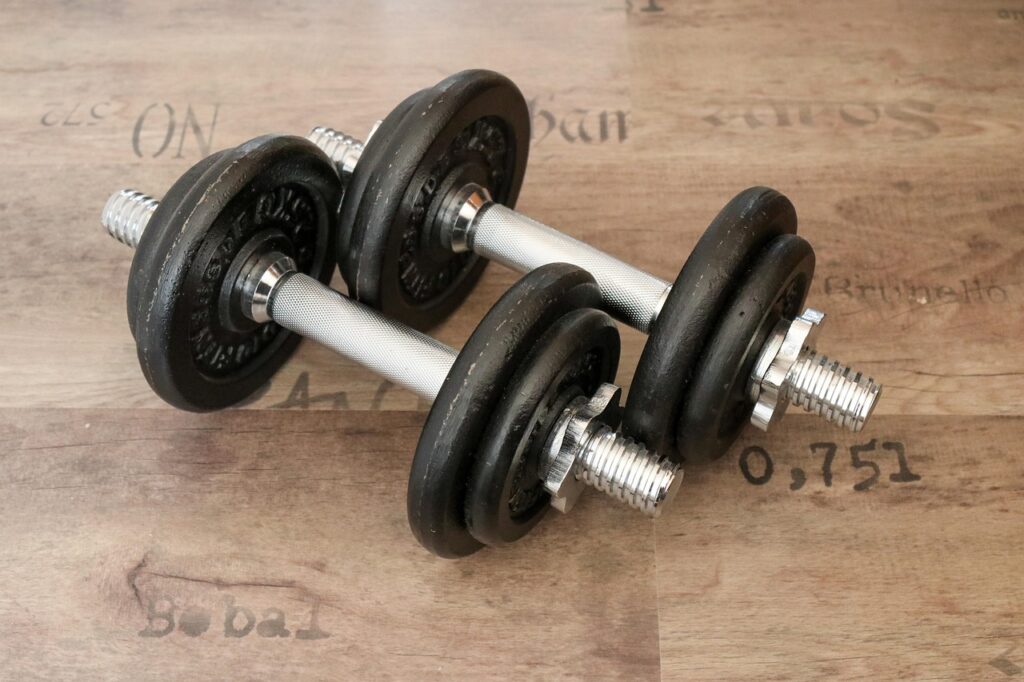
Adjustable dumbbells are one of the most versatile pieces of strength training equipment. Unlike traditional dumbbell sets, which require multiple pairs and take up a lot of space, adjustable dumbbells let you switch weight increments quickly.
Whether you’re performing bicep curls, lunges, chest presses, or shoulder exercises, these compact dumbbells allow you to progressively increase load without cluttering your home gym. Many models range from 5 to 50+ pounds, accommodating both beginners and advanced lifters.
They also save money in the long run. Instead of buying 10–15 pairs of traditional dumbbells, one set of adjustable dumbbells can cover all weight ranges. Modern designs often include secure locking mechanisms, reducing the risk of slipping or pinching fingers.
Adjustable Dumbbells – Pros & Cons
Pros:
- Space-saving design replaces multiple dumbbells
- Quick and easy weight adjustments
- Durable construction built for long-term use
- Allows full-body exercises for comprehensive workouts
- Beginner and advanced-friendly
Cons:
- Higher upfront cost than individual dumbbells
- May feel less stable than traditional fixed dumbbells
- Limited maximum weight for very advanced lifters
- Adjusting weights improperly can pinch fingers
Our Verdict: Adjustable dumbbells are essential for compact home gyms. They combine versatility, convenience, and progressive overload potential in a single set, making them a smart investment for anyone serious about strength training.
2: Power Racks – Why You Need a Power Rack in Your Home Gym
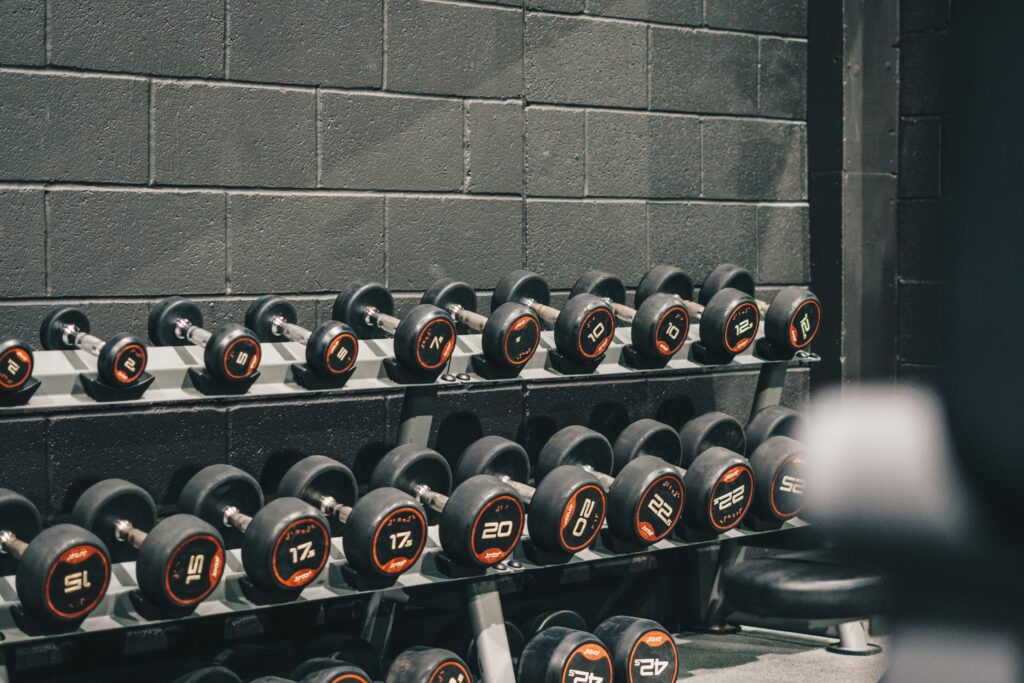
Power racks are the cornerstone of serious strength training. They allow you to perform heavy lifts safely, such as squats, bench presses, and overhead presses, without requiring a spotter. Most racks come with adjustable safety bars, ensuring that failed lifts are caught, reducing injury risk.
Many power racks include attachments like dip bars, pull-up bars, and band pegs, expanding the number of exercises possible. For those lifting heavier weights, a power rack provides stability, safety, and versatility unmatched by any other home equipment.
While racks take up more floor space than dumbbells or kettlebells, their long-term value makes them a worthwhile investment for those who are committed to building strength.
Power Racks – Pros & Cons
Pros:
- Provides safety for heavy lifts
- Supports multiple exercises (squats, presses, pull-ups)
- Often includes attachments for added versatility
- Sturdy and built to last
Cons:
- Requires substantial floor space
- More expensive than other home gym equipment
- Heavy and difficult to relocate
- Not beginner-friendly without guidance
Our Verdict: If you want to train safely with heavy weights at home, a power rack is indispensable. Its versatility and durability make it an ideal long-term investment for strength athlete
3: Weight Benches – The Role of a Weight Bench in Strength Training
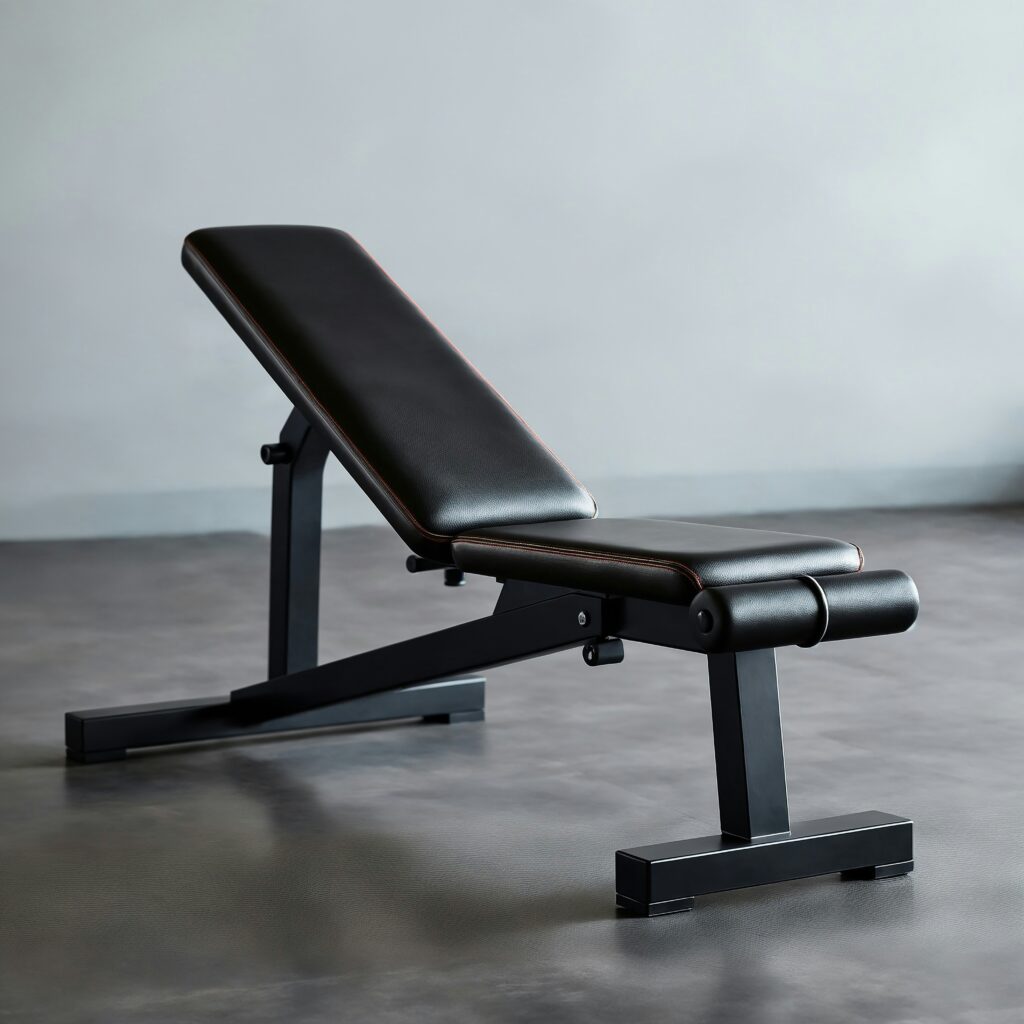
A quality weight bench is more than just a support for dumbbell exercises. Adjustable benches allow for flat, incline, or decline positions, enabling a wider variety of chest, shoulder, and core movements. Whether paired with dumbbells, barbells, or used alone for core work, a bench adds stability and safety to your workouts.
Modern benches are compact yet durable, often with foldable designs that fit small home gyms. Padding and ergonomic design ensure comfort even during heavier lifts, reducing strain on the back and wrists.
Weight Benches – Pros & Cons
Pros:
- Adjustable positions for incline, flat, or decline exercises
- Supports pressing, flys, and core workouts
- Compact and easy to integrate into home gyms
- Durable padding and frame ensure safety
Cons:
- Limited use without weights or racks
- Some benches have lower weight limits
- Fixed benches are less versatile than adjustable models
- Bulkier than smaller equipment like dumbbells
Our Verdict: A weight bench is a versatile companion in any home gym. It enhances pressing and isolation exercises, making it ideal for both beginners and intermediate lifters.
4: Barbells – Why Barbells Are Essential for Serious Lifters
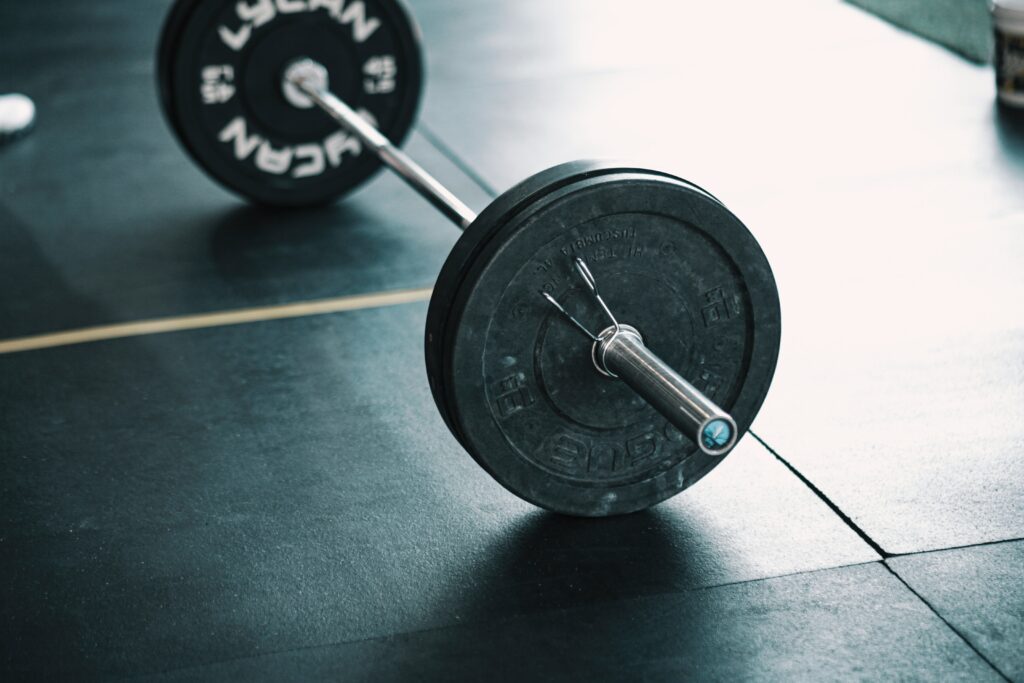
Barbells are the backbone of compound strength training. They allow for heavy lifts such as squats, deadlifts, bench presses, and rows. Unlike dumbbells, barbells enable heavier loads with more stability, making them indispensable for serious strength training.
Barbells work well with both weight plates and racks, providing endless options for progressive overload. Proper technique is essential to prevent injury, but once mastered, barbells deliver some of the most effective strength gains possible.
Barbells – Pros & Cons
Pros:
- Supports heavy lifts for maximal strength gains
- Compatible with a variety of exercises (squats, presses, rows)
- Long-lasting with proper maintenance
- Allows for progressive overload with weight plates
Cons:
- Requires extra equipment like a rack or bench
- Intimidating for beginners
- Not portable
- Improper technique can lead to injury
Our Verdict: Barbells are essential for compound strength exercises. They are the cornerstone of any serious home or garage gym aiming for strength and hypertrophy.
5: Weight Plates – The Importance of Weight Plates for Progressive Overload
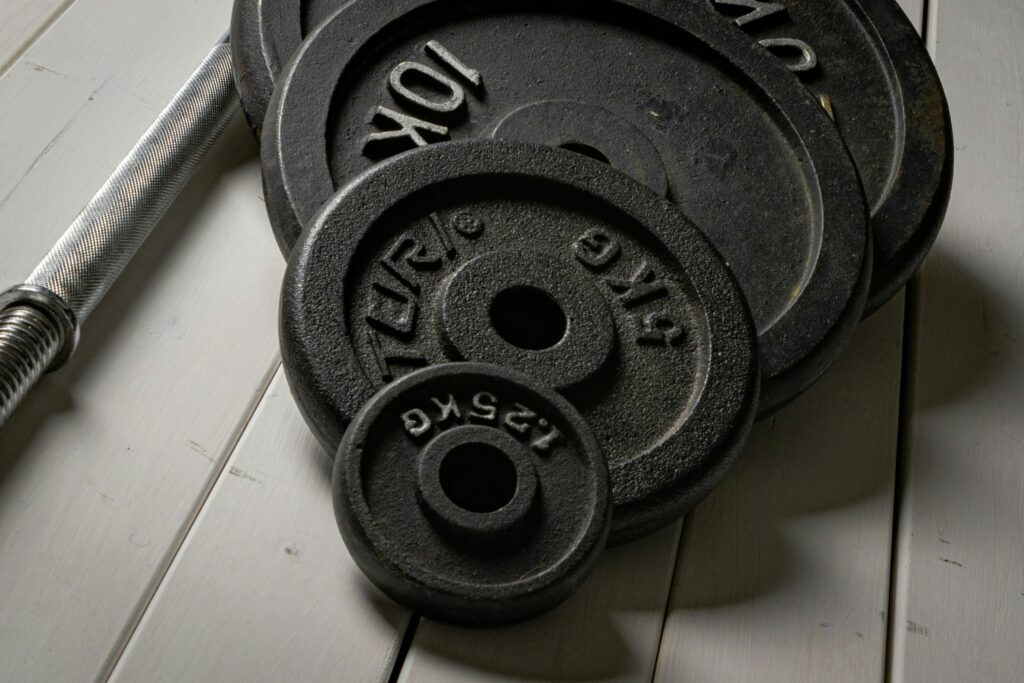
Weight plates allow you to customize the resistance of barbells, dumbbells, and machines. They’re crucial for progressive overload, which is the foundation of strength gains and muscle growth.
Plates come in cast iron, rubber-coated, or bumper designs. Rubber or bumper plates are excellent for reducing noise and protecting flooring during heavy lifts. Cast iron plates are more affordable and durable but require careful handling to avoid damage.
Weight Plates – Pros & Cons
Pros:
- Fully customizable weights for any exercise
- Compatible with barbells, dumbbells, or machines
- Durable and long-lasting
- Affordable when purchased individually
Cons:
- Require proper storage to avoid clutter
- Can intimidate beginners
- Cheaper plates may damage flooring
- Safety collars are required on barbells
Our Verdict: Weight plates are essential for anyone using barbells or adjustable dumbbells. They allow you to progressively increase load safely and effectively.
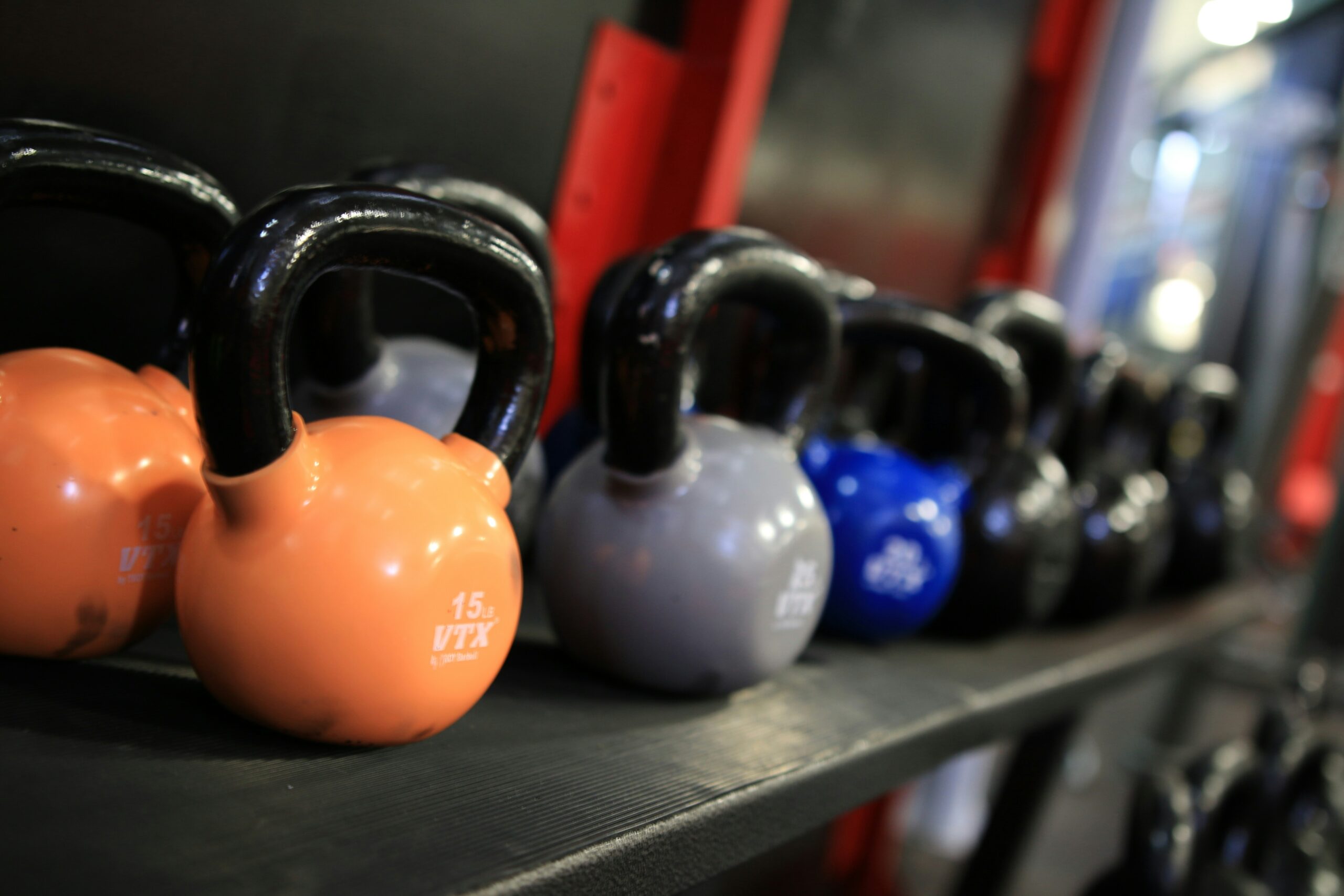
6: Kettlebells – How Kettlebells Elevate Functional Strength
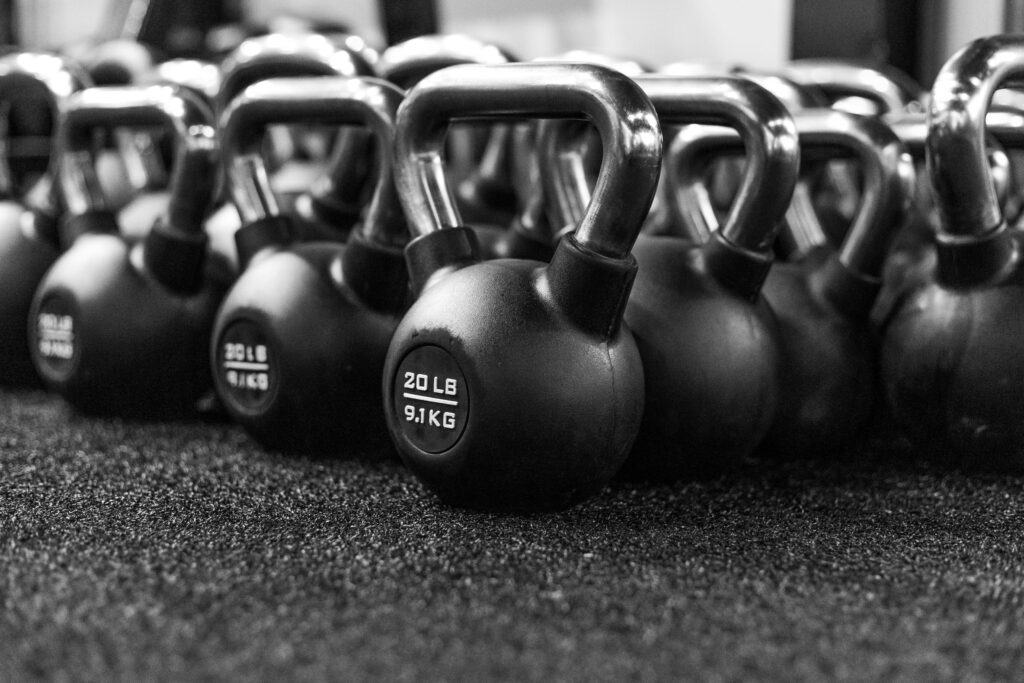
Kettlebells are compact and versatile, ideal for functional training that engages multiple muscle groups. Swings, snatches, Turkish get-ups, and presses develop strength, endurance, balance, and coordination simultaneously.
They are perfect for small home gyms due to their minimal footprint and portability. Kettlebells complement dumbbell, barbell, and bodyweight exercises, adding variety and intensity to your workouts.
Kettlebells – Pros & Cons
Pros:
- Great for full-body, functional workouts
- Compact and portable
- Can be used for both strength and cardio
- Engages multiple muscle groups in dynamic exercises
Cons:
- Limited maximum weight for very advanced lifters
- Requires proper technique to avoid injury
- Storing multiple kettlebells can be tricky
- Some exercises may intimidate beginners
Our Verdict: Kettlebells are highly versatile and functional. They’re excellent for strength, endurance, and dynamic training, making them a valuable addition to any home gym.
Conclusion – Choosing the Right Equipment for Your Home Gym
When selecting strength training equipment, consider:
- Space: Adjustable dumbbells and kettlebells are compact, while power racks and barbells require more room.
- Goals: Choose based on your strength, muscle-building, or functional training objectives.
- Experience: Beginners may start with adjustable dumbbells and kettlebells, while advanced lifters benefit from barbells, racks, and plates.
- Budget: Start with versatile equipment like adjustable dumbbells or kettlebells, then invest in heavy-duty racks and plates over time.
A balanced home gym setup often combines:
- Adjustable dumbbells for versatility
- A power rack and barbell for heavy lifting
- A weight bench for pressing and isolation
- Weight plates for progressive overload
- Kettlebells for functional training
With the right combination, your home gym can meet all your strength, endurance, and functional fitness goals without requiring a commercial gym membership.
This site participates in the Amazon Associates Program and may earn a commission from qualifying purchases at no extra cost to you.