
Welcome to the ultimate Smart Fitness Wearables & Tracking Buying & Comparison Guide — your complete resource for understanding, comparing, and choosing the right devices to track your health, fitness, and overall wellness. In this guide, we cover everything from smartwatches and heart rate monitors to activity trackers, GPS devices, and smart scales, providing detailed insights into features, benefits, pros and cons, and effectiveness. Whether you’re a casual user, an athlete, or someone focused on improving daily health, this guide will give you the knowledge you need to select the devices that best fit your goals, lifestyle, and budget. By the end, you’ll have all the information necessary to make confident, data-driven decisions and invest in wearables that truly enhance your fitness journey.
What Are Smart Fitness Wearables & Tracking Devices?
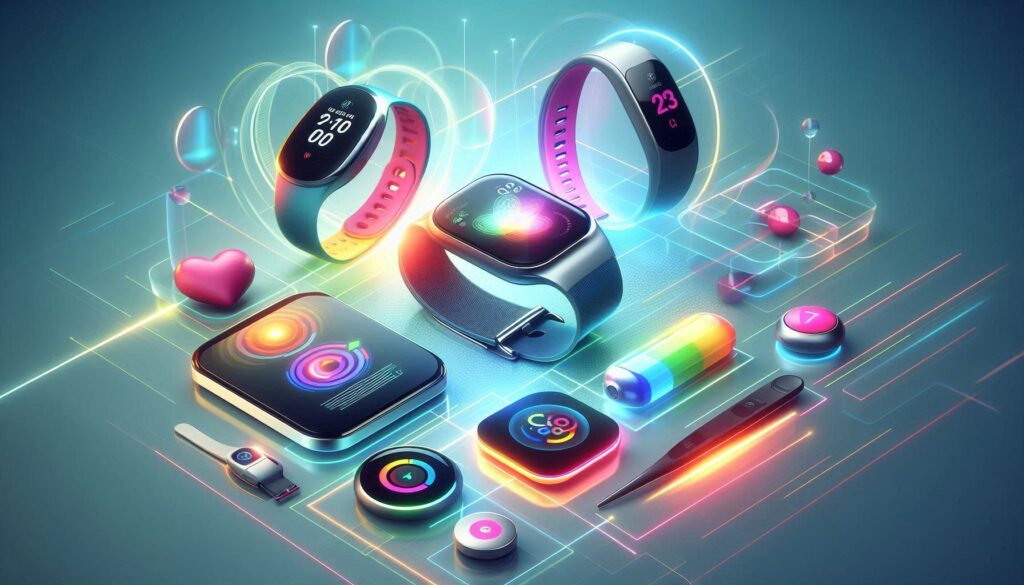
Smart Fitness Wearables & Tracking devices are wearable technology designed to monitor your body’s activity, health, and performance. These devices range from wrist-worn smartwatches to chest straps, smart scales, and GPS trackers. They provide real-time insights into steps, heart rate, calories burned, sleep patterns, recovery, and body composition. Essentially, these devices act as your personal fitness coach and health monitor, helping you understand your body and optimize workouts, recovery, and overall wellness.
Benefits of Smart Fitness Wearables & Tracking
Smart wearables provide a wide range of benefits:
- Monitor Performance: Track daily steps, heart rate, calories burned, and activity intensity.
- Optimize Recovery: Sleep and heart rate tracking ensures proper rest and prevents overtraining.
- Stay Motivated: Real-time progress notifications and goal-setting features encourage consistency.
- Track Health Trends: Long-term data helps monitor weight, body composition, and cardiovascular health.
- Personalize Workouts: GPS and detailed metrics allow smarter planning and training adjustments.
Who Can Use Smart Fitness Wearables?
Smart Fitness Wearables are for anyone looking to take control of their health and fitness:
- Casual Users: Track activity, sleep, and basic health metrics.
- Athletes & Fitness Enthusiasts: Optimize performance, monitor heart rate zones, and track recovery.
- Weight Loss Seekers: Monitor calories burned, activity, and body composition.
- Health-Conscious Individuals: Keep track of long-term trends like heart health, sleep, and overall wellness.
Different Kinds of Smart Fitness Wearables & Tracking Devices
- Smartwatches & Fitness Watches: All-in-one wearables tracking heart rate, activity, sleep, GPS, and notifications.
- Heart Rate Monitors & Chest Straps: High-accuracy devices for tracking heart rate and training zones.
- Smart Scales & Body Composition Devices: Track weight, fat %, muscle mass, and overall body metrics.
- Activity & Sleep Trackers: Lightweight devices to monitor movement and sleep quality.
- GPS & Running Trackers: Outdoor-focused devices to track distance, pace, and route.
1. Smartwatches & Fitness Watches
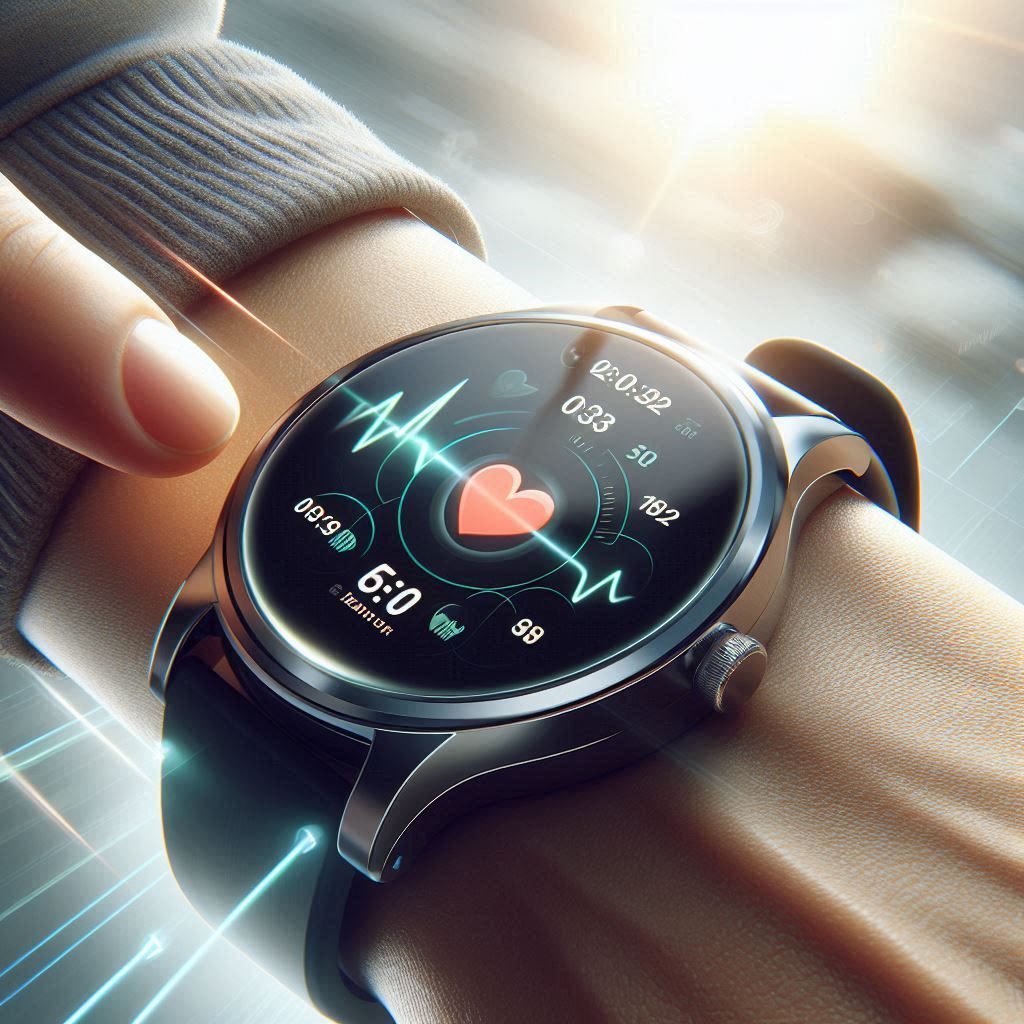
Smartwatches are versatile devices that combine style with function. They track steps, heart rate, sleep, stress levels, and integrate with apps to analyze long-term trends. GPS-enabled models monitor running and cycling routes, while waterproof options support swimming. By providing a complete overview of daily activity, smartwatches help you adjust routines, stay motivated, and reach fitness goals.
Pros:
- Tracks multiple metrics including heart rate, steps, sleep, and workouts
- GPS-enabled models offer accurate outdoor tracking
- Motivational features and app integration
Cons:
- Battery life can be limited in high-end models
- Premium models can be expensive
Benefits:
- Real-time monitoring and actionable insights
- Integration with apps for trend analysis
- Supports a wide range of workouts
Comparison Table:
| Product Type / Feature | Main Use | Benefits | Best For | Effectiveness |
|---|---|---|---|---|
| Standard Fitness Watch | Daily activity & heart rate | Tracks steps, heart rate, calories burned | Casual users, daily fitness | ★★★★☆ |
| Advanced Smartwatch | Full health tracking & apps | Sleep, stress, workouts, notifications | Fitness enthusiasts, tech-savvy | ★★★★★ |
| GPS-Enabled Watch | Outdoor workouts & routes | Accurate distance, pace, and speed | Runners, cyclists | ★★★★★ |
| Waterproof / Swim Smartwatch | Swimming and water activities | Tracks laps, strokes, and calories | Swimmers, triathletes | ★★★★☆ |
2. Heart Rate Monitors & Chest Straps
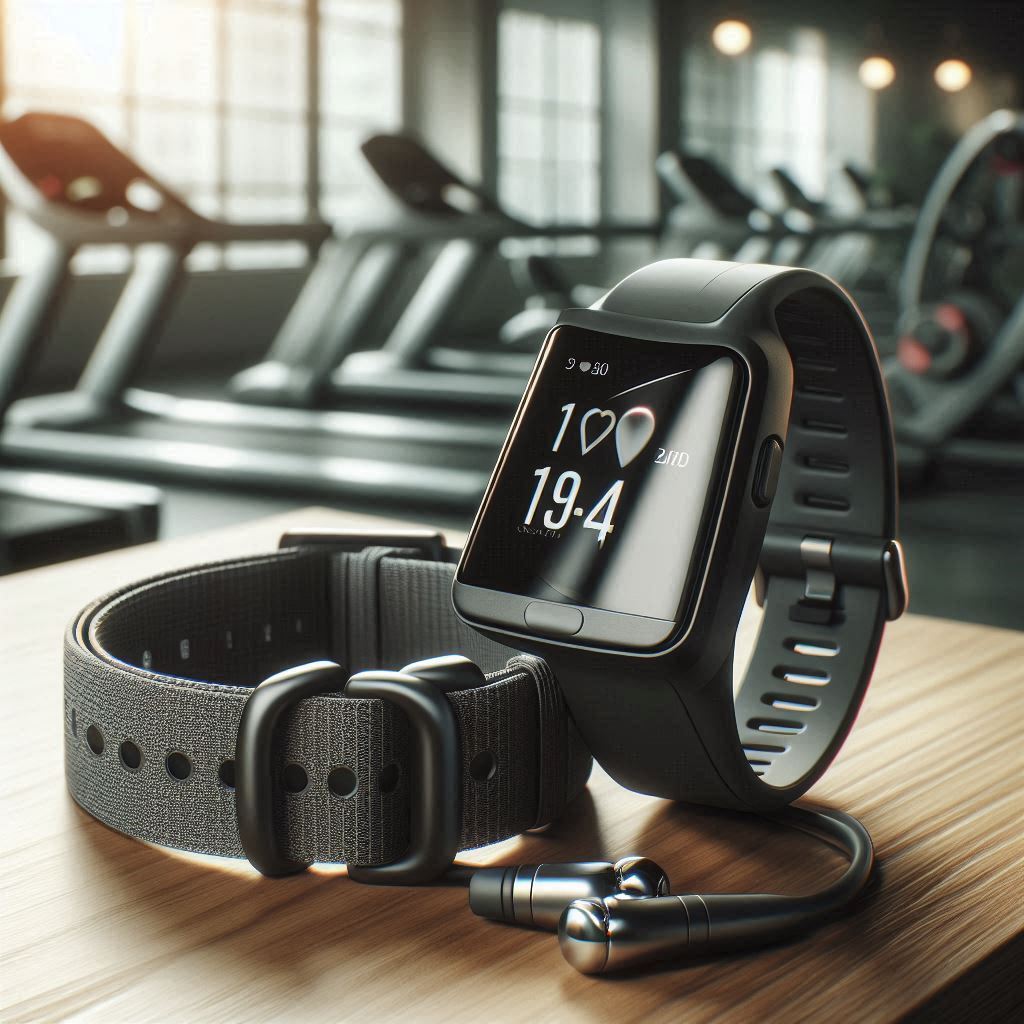
Heart rate monitors provide precise data for workouts and recovery. Chest straps are ideal for intense training due to their accuracy, while wrist-based monitors are convenient for daily tracking. They sync with apps or watches to give insights into heart rate zones, calories burned, and recovery trends, helping optimize performance and prevent fatigue.
Pros:
- Highly accurate heart rate measurement
- Syncs with apps and devices for detailed tracking
Cons:
- Chest straps may feel uncomfortable
- Requires Bluetooth-enabled devices for full functionality
Benefits:
- Optimizes training intensity and recovery
- Tracks long-term heart health
- Supports personalized fitness plans
Comparison Table:
| Product Type / Feature | Main Use | Benefits | Best For | Effectiveness |
|---|---|---|---|---|
| Chest Strap Monitor | Precise heart rate measurement | Tracks zones, calories, heart performance | Athletes, serious training | ★★★★★ |
| Wrist-Based HR Monitor | Convenient everyday heart rate | Easy to wear, syncs with smart devices | General users, casual fitness | ★★★★☆ |
| Bluetooth HR Monitor | Sync with apps & watches | Data integration and tracking | Tech-savvy users | ★★★★☆ |
3. Smart Scales & Body Composition Devices
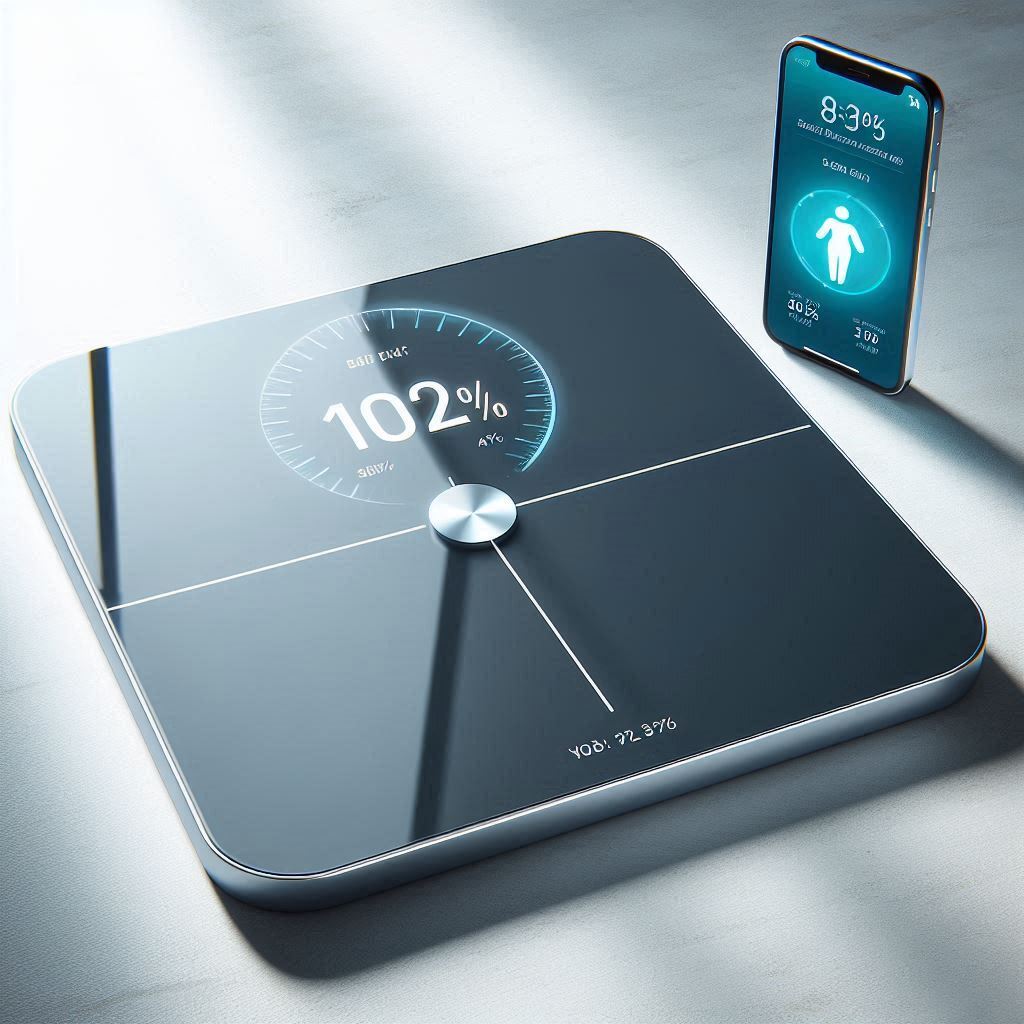
Smart scales go beyond weight tracking, measuring fat %, muscle mass, water content, and bone density. Most sync with apps to analyze trends over time, helping you adjust diet, workouts, and recovery routines. Tracking body composition gives deeper insight than weight alone, allowing personalized goal-setting and long-term wellness monitoring.
Pros:
- Tracks multiple metrics beyond weight
- Syncs with apps for trend analysis
Cons:
- Accuracy can vary by brand and hydration levels
- Some require Wi-Fi or smartphone setup
Benefits:
- Monitors body composition progress
- Helps optimize diet and workouts
- Provides actionable health insights
Comparison Table:
| Product Type / Feature | Main Use | Benefits | Best For | Effectiveness |
|---|---|---|---|---|
| Standard Smart Scale | Weight & basic metrics | Tracks BMI, weight trends | Home users, beginners | ★★★★☆ |
| Body Composition Scale | Fat %, muscle, water | Comprehensive body metrics | Fitness enthusiasts, athletes | ★★★★★ |
| Wi-Fi Enabled Smart Scale | Sync data to apps | Tracks trends over time | Tech-savvy users | ★★★★☆ |
4. Activity & Sleep Trackers
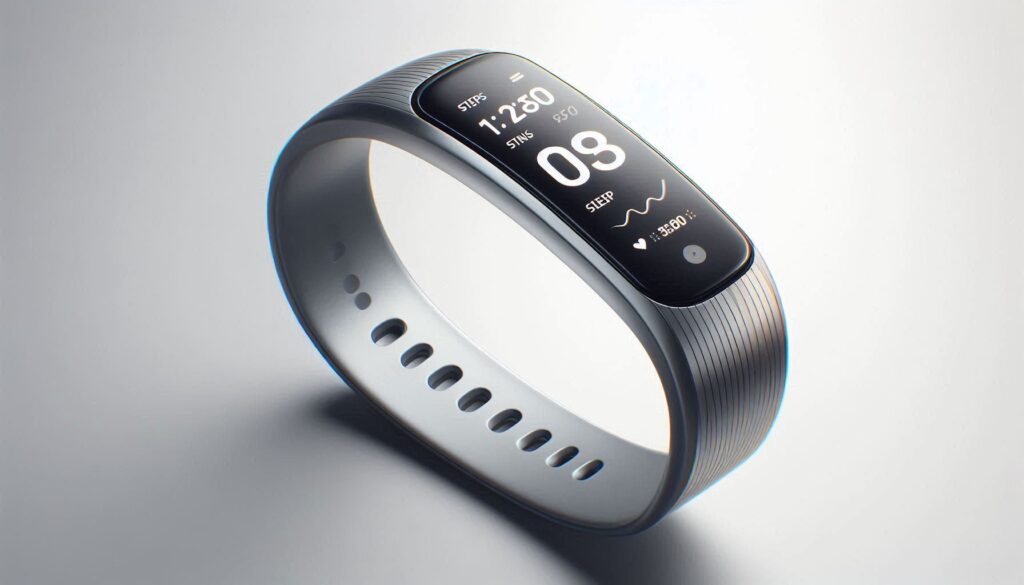
Activity and sleep trackers monitor movement, steps, and sleep quality to provide a full picture of your health. Sleep tracking allows users to understand recovery patterns, identify sleep deficits, and optimize daily performance. Many trackers are lightweight, wearable, and sync with apps for long-term analysis.
Pros:
- Monitors daily activity and sleep quality
- Lightweight and easy to wear
Cons:
- Limited metrics compared to smartwatches
- Some devices require smartphone sync
Benefits:
- Encourages daily movement
- Tracks sleep for better recovery
- Helps form healthy lifestyle habits
Comparison Table:
| Product Type / Feature | Main Use | Benefits | Best For | Effectiveness |
|---|---|---|---|---|
| Basic Activity Tracker | Steps, distance, calories | Monitors daily activity | Beginners, casual users | ★★★★☆ |
| Advanced Activity Tracker | Sleep, HR, activity zones | Tracks detailed metrics | Health-conscious users | ★★★★★ |
| Sleep Tracker | Sleep quality & stages | Provides insights for better recovery | Anyone improving sleep habits | ★★★★☆ |
5. GPS & Running Trackers
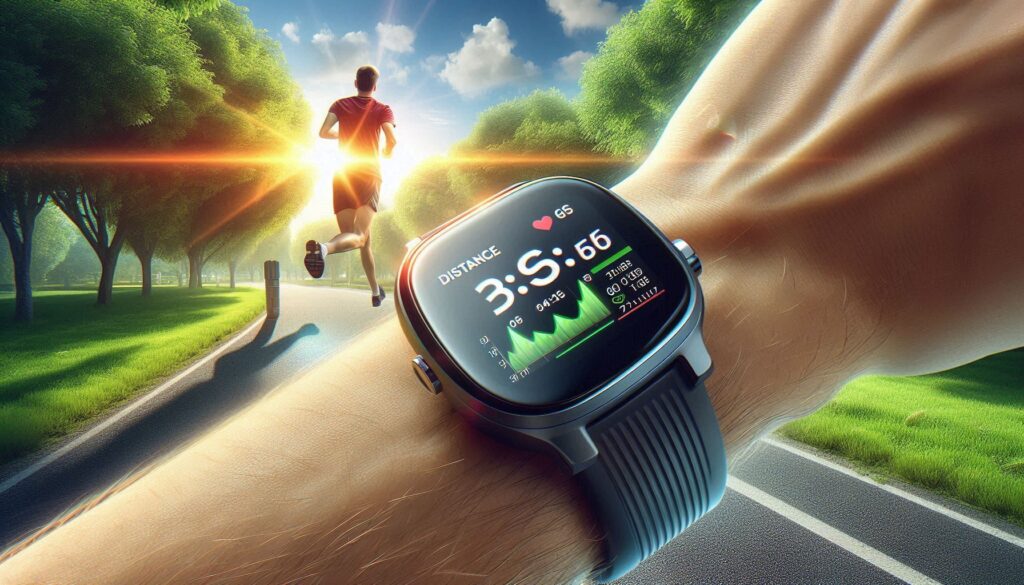
GPS trackers provide accurate distance, pace, and route tracking for runners, cyclists, and outdoor athletes. They help plan workouts, monitor performance, and analyze trends over time. GPS devices often integrate with fitness apps to track elevation, speed, and route maps, making them essential for serious outdoor training.
Pros:
- Accurate outdoor activity tracking
- Provides detailed metrics for performance improvement
Cons:
- Battery life varies depending on usage
- Premium models can be expensive
Benefits:
- Monitors outdoor workouts precisely
- Helps plan and optimize performance
- Integrates with apps for advanced analytics
Comparison Table:
| Product Type / Feature | Main Use | Benefits | Best For | Effectiveness |
|---|---|---|---|---|
| GPS Running Watch | Accurate distance & pace | Real-time tracking, route mapping | Runners, cyclists | ★★★★★ |
| GPS Cycling Tracker | Track speed, distance, elevation | Detailed metrics for performance | Cyclists, triathletes | ★★★★★ |
| Handheld GPS Tracker | Navigation & distance tracking | Can track multiple activities | Outdoor adventurers | ★★★★☆ |
How to Choose the Right Fitness Wearable
When selecting a wearable, consider:
- Your Primary Goal: Weight loss, training optimization, sleep tracking, or overall wellness.
- Device Accuracy: Chest straps and GPS trackers are most precise for heart rate and outdoor tracking.
- Connectivity & Compatibility: Ensure your device works with your smartphone or apps.
- Battery Life & Durability: Choose a device that fits your lifestyle and usage.
- Additional Features: Sleep tracking, stress monitoring, waterproofing, or notifications.
Understanding these factors ensures you select a device that maximizes performance, recovery, and wellness.
Amazon Affiliate Disclaimer:
As an Amazon Associate, we earn from qualifying purchases. This helps support our website at no extra cost to you.
Frequently Asked Questions About Smart Fitness Wearables
Smart fitness wearables are devices like fitness trackers and smartwatches that monitor your physical activity, heart rate, calories burned, sleep patterns, and more. They use built-in sensors such as accelerometers, optical heart rate monitors, and sometimes GPS to collect real-time data. Most devices sync with a mobile app via Bluetooth, allowing you to track workouts, set goals, and analyze performance trends. For home gym users, fitness wearables help measure workout intensity and ensure you stay consistent with your training routine.
Modern fitness trackers provide reasonably accurate heart rate readings during steady exercises like walking, cycling, or strength training. Accuracy can vary during high-intensity interval training (HIIT) or rapid movements. Calorie tracking is an estimate based on your heart rate, weight, and activity level. While not perfect, they are effective for tracking trends over time. Consistency in tracking is more important than perfect accuracy for home workouts.
A fitness tracker is lighter, more affordable, and focused on health metrics like steps, calories, and heart rate. A smartwatch adds features such as notifications, apps, music control, and GPS. For home workouts, a fitness tracker is usually enough to monitor progress. If you want an all-in-one device for both fitness and daily use, a smartwatch may be worth the extra cost.
Look for heart rate monitoring, calorie tracking, workout modes, sleep tracking, and long battery life. Multi-sport modes and automatic workout detection are helpful for HIIT, strength training, or treadmill sessions. Waterproofing is useful if you sweat heavily. Make sure the device is compatible with your smartphone and fitness apps to view detailed data and progress.
Yes, most can track workouts, heart rate, and steps without a phone nearby. You’ll need a smartphone to sync data, view detailed reports, update software, and adjust settings. Some advanced smartwatches even have built-in GPS and music storage. For home gym users, you can complete workouts independently and sync results afterward.
Yes, fitness trackers support weight loss and muscle-building goals by monitoring calories burned, heart rate zones, and activity levels. Tracking increases accountability and consistency. For weight loss, you can monitor calorie expenditure. For muscle building, heart rate tracking ensures proper recovery and optimal training intensity. Combined with nutrition and a home workout plan, wearables can significantly improve results.
Battery life depends on the device type and features. Basic fitness trackers last 5–14 days per charge, while smartwatches with GPS or always-on displays last 1–3 days. For regular home workouts, longer battery life is convenient so you don’t miss tracking sessions. Always check battery specifications before buying.
Yes, waterproof fitness trackers protect against sweat damage during intense workouts. They are useful for indoor cycling, rowing, or HIIT sessions and add durability. Waterproofing is also helpful if you occasionally swim or train outdoors. For long-term reliability, a water-resistant wearable is a smart investment.
Bottom Line
Smart Fitness Wearables & Tracking devices are essential tools for anyone serious about health, fitness, or wellness. They provide insights into activity, heart rate, sleep, recovery, and body composition, empowering users to make data-driven decisions. By understanding the features, benefits, and effectiveness of smartwatches, heart rate monitors, smart scales, activity trackers, and GPS devices, you can select the right wearable for your goals. Whether you’re a beginner, an athlete, or a health-conscious individual, these devices help track progress, improve performance, optimize recovery, and maintain a healthier lifestyle. Use this guide and detailed reviews to confidently choose the best smart fitness wearable for your needs.