Choosing the right Recovery & Wellness Equipment can significantly improve muscle recovery, mobility, and overall physical performance. With so many options available — from massage guns and foam rollers to stretching tools, inversion equipment, and heat-based devices — it can be difficult to determine which solution best fits your needs. This buying and comparison guide breaks down the key features, benefits, effectiveness levels, and ideal use cases for each category. Whether you’re recovering after workouts, managing back tension, or improving flexibility, this guide will help you compare your options clearly and make a confident, informed purchase decision.
Recovery is not a luxury — it is the foundation of performance, mobility, and long-term health. Every workout, run, or daily activity stresses muscles, joints, fascia, and the spine. Without proper recovery, this stress accumulates, leading to soreness, stiffness, limited mobility, and a higher risk of injury.
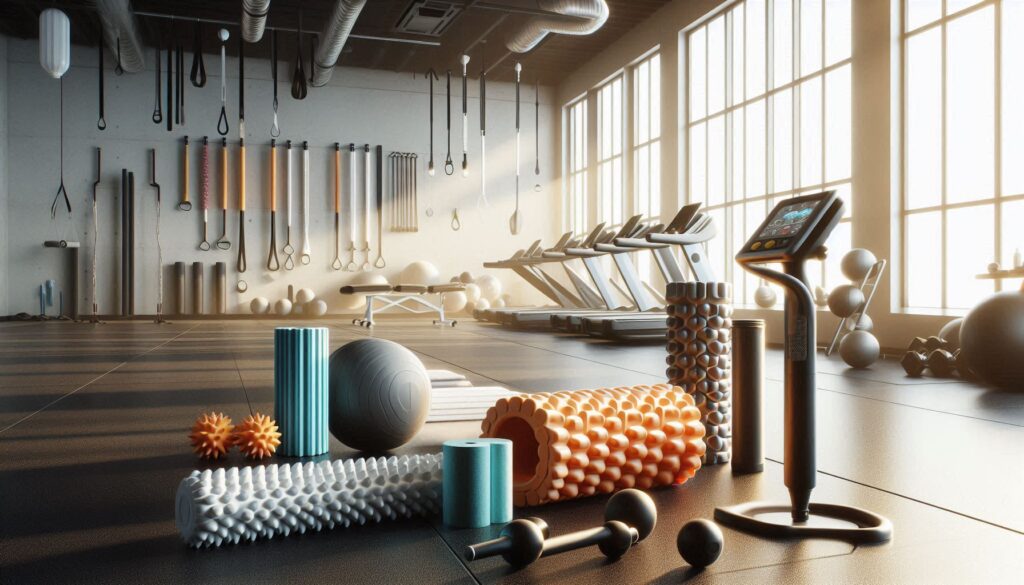
Recovery & Wellness Equipment helps your body repair faster, move efficiently, and stay resilient. These tools accelerate healing, improve circulation, enhance flexibility, and relieve tension. They are essential for athletes, fitness enthusiasts, office workers, older adults, and anyone seeking long-term body health.
Why Recovery & Wellness Equipment Matters
Muscle Repair and Performance
Exercise creates microscopic tears in muscle fibers. Recovery equipment improves blood flow, oxygen delivery, and nutrient transport, allowing muscles to rebuild stronger and reducing post-workout soreness.
Fascial Health and Flexibility
Fascia surrounds muscles and organs. When tight, it restricts motion and increases injury risk. Tools like foam rollers, massage bars, and percussion devices release fascia, restore elasticity, and improve functional movement.
Joint Mobility and Functional Strength
Mobility isn’t just flexibility — it is controlled strength within a joint’s range. Stretching tools, bands, and sticks enhance mobility, support stability, and reduce strain on joints.
Spinal Health and Posture
Prolonged sitting, poor posture, and repetitive lifting compress the spine. Inversion tables and back stretchers decompress vertebrae, relieve tension, and improve posture.
Thermal Recovery and Circulation
Heat therapy and infrared devices improve circulation, relax muscles, and accelerate tissue repair, supporting faster recovery and better relaxation.
Who Needs Recovery & Wellness Equipment
- Athletes & Trainers – Faster recovery, better performance, injury prevention
- Fitness Enthusiasts – Enhanced flexibility, reduced soreness, consistency
- Office Workers – Counteracts long sitting hours and poor posture
- Older Adults – Maintains joint health and functional mobility
- Anyone with Chronic Muscle Stiffness – Supports daily body maintenance
How Recovery & Wellness Equipment Supports the Body
| Body System | How It Helps | Example Tools |
|---|---|---|
| Muscles | Improves blood flow, accelerates repair | Percussion devices, Foam Rollers |
| Fascia | Releases tension, restores elasticity | Foam Rollers, Massage Bars |
| Joints | Improves mobility and strength | Stretching Tools, Bands |
| Spine | Decompresses vertebrae, reduces pressure | Inversion Tables, Back Stretchers |
| Circulation | Delivers nutrients, removes waste | Heat Therapy, Infrared Mats |
Benefits of Recovery & Wellness Equipment
- Faster recovery and reduced soreness
- Increased range of motion and flexibility
- Reduced risk of injury
- Improved posture and spinal health
- Enhanced athletic performance
- Long-term mobility and resilience
Recovery equipment is not optional — it is an investment in your body’s performance and longevity.
Product Categories
Below are the five main categories of recovery equipment. Each section includes expanded intro paragraphs, benefits, pros/cons, comparison tables, and links to the best product in the USA/Global and UAE.
1️⃣ Massage Guns & Percussion Devices
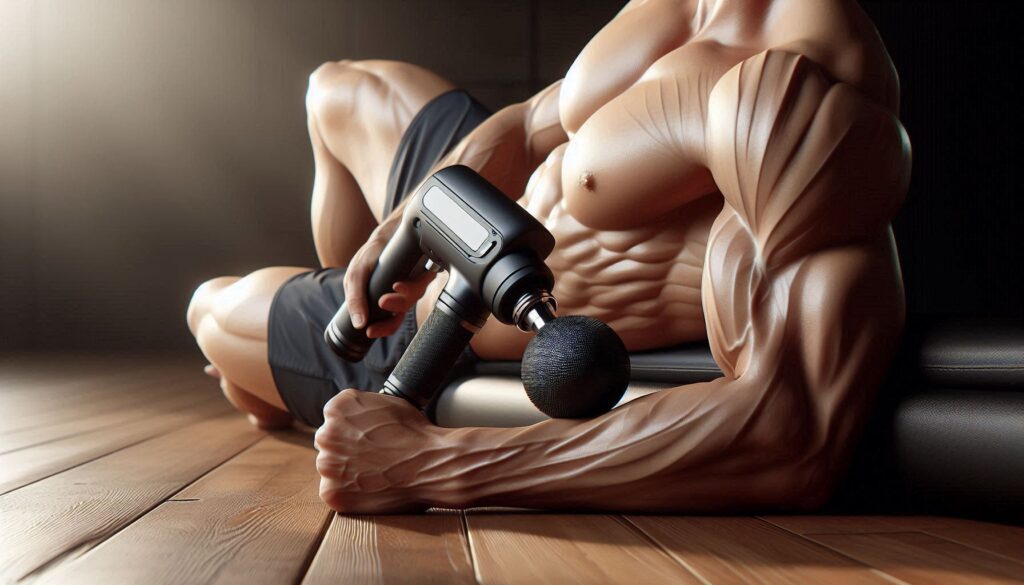
Percussion devices are one of the most effective modern tools for deep muscle recovery. By delivering rapid, targeted pulses to muscle tissue, they increase blood flow, break up tension, and accelerate the healing of stressed muscles. These devices are ideal for both pre-workout activation and post-workout recovery, helping your body prepare for training or repair itself afterward. Unlike traditional methods, percussion therapy can reach deeper tissue layers without relying solely on your body weight, making it suitable for stubborn knots and tight areas. Regular use can improve overall flexibility, reduce soreness, and enhance muscular performance over time.
Benefits
- Reduces muscle soreness and DOMS
- Improves blood flow
- Increases flexibility
- Portable and easy to use
Pros
- Effective deep tissue relief
- Adjustable speed and intensity
- Quick results
Cons
- More expensive than manual tools
- Can be intense for beginners
- Requires charging
Comparison Table
| Feature | Entry-Level | Mid-Range | Advanced |
|---|---|---|---|
| Speed Levels | 3 | 4–5 | 6+ |
| Stall Force | Moderate | Strong | Very Strong |
| Battery Life | 2 hrs | 3 hrs | 4–6 hrs |
| Noise | Medium | Quiet | Very Quiet |
| Best For | Beginners | Regular Trainers | Serious Athletes |
2️⃣ Foam Rollers & Massage Bars
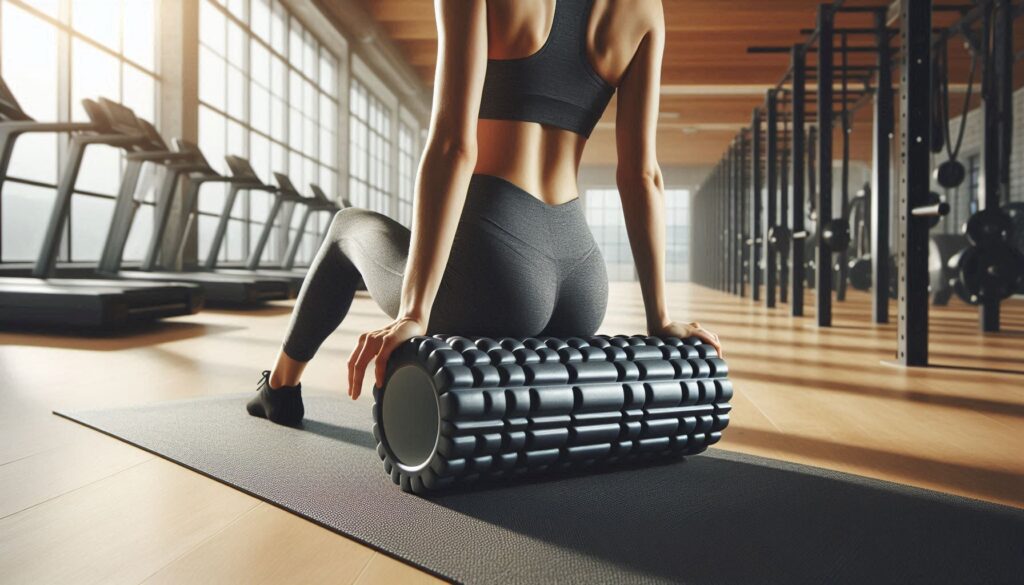
Foam rollers and massage bars are the foundation of self-myofascial release (SMR), which targets fascia — the connective tissue that surrounds muscles. Tight fascia can restrict movement, create stiffness, and increase injury risk. Using these tools, you can apply controlled pressure to release tension, restore elasticity, and improve circulation throughout the body. Foam rollers allow you to work on large muscle groups, while massage bars are perfect for targeting smaller areas like calves, arms, and shoulders. Integrating these tools into your recovery routine promotes better movement patterns, reduces soreness, and supports long-term muscular health.
Benefits
- Reduces post-workout stiffness
- Enhances flexibility and mobility
- Improves circulation
- Cost-effective, durable, and portable
Pros
- Simple to use
- No electricity required
- Suitable for all fitness levels
Cons
- Less deep tissue impact than percussion devices
- Can be uncomfortable initially
Comparison Table
| Type | Pressure Level | Best Use |
|---|---|---|
| Smooth Roller | Light | Beginners & warm-ups |
| Textured Roller | Medium | Deep release |
| High-Density Roller | High | Advanced users |
| Massage Bar | Targeted | Smaller muscle groups |
3️⃣ Stretching & Mobility Tools
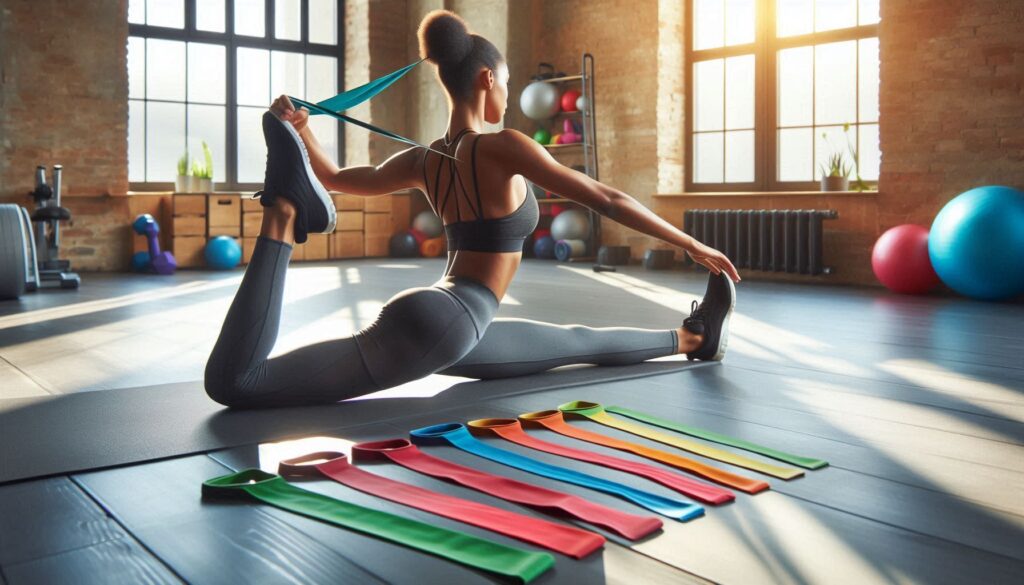
Stretching and mobility tools are designed to enhance joint range of motion and improve controlled, functional movement. Unlike simple flexibility exercises, these tools train your muscles and joints to move efficiently, strengthening stabilizers while increasing mobility. Resistance bands, stretch straps, slant boards, and mobility sticks allow both assisted and dynamic stretching, ensuring you can safely work on shoulders, hips, ankles, and other critical areas. Using mobility tools consistently can correct postural imbalances, reduce the risk of injury, and improve athletic performance while keeping your body agile and responsive. These tools are suitable for beginners and advanced users alike, making them an essential part of any recovery routine.
Benefits
- Improves posture and movement efficiency
- Reduces risk of injury
- Enhances flexibility and joint stability
- Supports long-term functional performance
Pros
- Lightweight and versatile
- Affordable and easy to store
- Suitable for all ages
Cons
- Requires consistency
- Results develop gradually
Comparison Table
| Tool | Best For | Intensity | Skill Level |
|---|---|---|---|
| Stretch Strap | Assisted stretching | Light | Beginner |
| Resistance Bands | Dynamic mobility | Medium | All levels |
| Slant Board | Ankle & calf mobility | Medium | Intermediate |
| Mobility Stick | Upper body & hips | Medium | Advanced |
4️⃣ Inversion & Back Relief Equipment
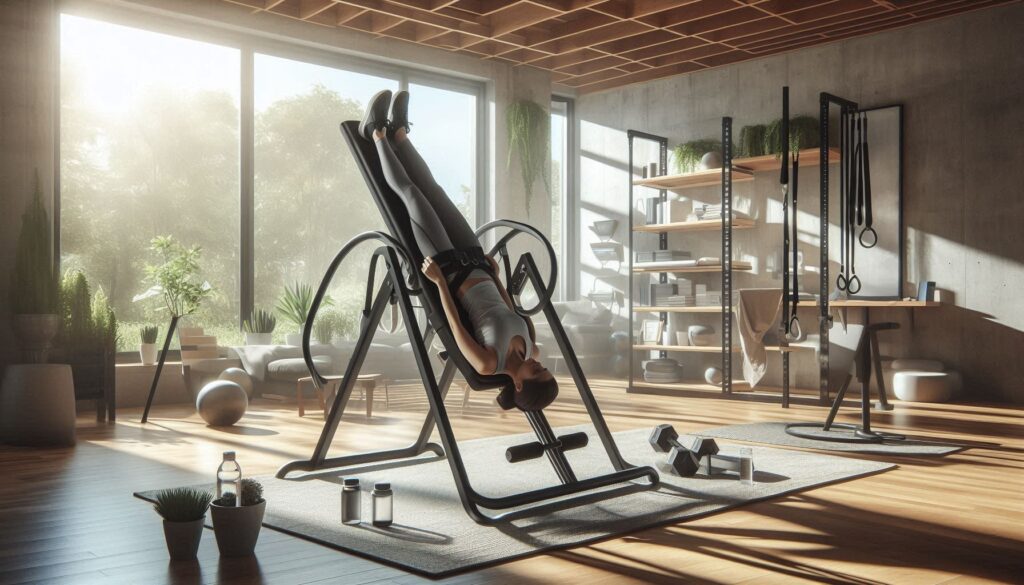
Inversion & Back Relief Equipment is designed to reduce spinal pressure, improve posture, and relieve lower back tension caused by prolonged sitting, poor alignment, or intense training. Tools such as inversion tables provide full-body spinal decompression by using gravity to gently stretch the spine and relieve disc pressure. Back stretchers and lumbar support tools focus on targeted lower back relief, helping to reduce stiffness and improve flexibility. Inversion chairs and gravity chairs offer a more controlled and comfortable decompression experience, making them suitable for users who prefer moderate angles. For advanced users, inversion hammocks and inversion boots allow deeper spinal stretching and suspension-based therapy. By understanding the differences between these tools, you can choose the right solution to support spinal health, reduce discomfort, and enhance overall recovery.
Benefits
- Relieves chronic stiffness
- Improves posture
- Reduces spinal pressure
- Supports long-term spinal health
Pros
- Non-invasive and effective
- Provides long-term relief with consistent use
Cons
- Requires space
- Not suitable for certain medical conditions
- Higher cost for advanced models
Comparison Table
| Product Type / Feature | Main Use | Benefits | Best For | Effectiveness |
|---|---|---|---|---|
| Inversion Table | Full-body spinal decompression | Reduces spinal pressure, relieves stiffness, improves posture | Office workers, athletes, chronic back pain | ★★★★★ |
| Back Stretcher / Lumbar Support Tool | Targeted spinal stretch | Relieves lower back tension, improves flexibility | At-home use, lower back support | ★★★★☆ |
| Inversion Chair / Gravity Chair | Gentle spinal decompression & relaxation | Eases back discomfort, promotes circulation | Seniors, mild back tension | ★★★★☆ |
| Hanging / Inversion Hammock | Suspension-based spinal stretch | Stretches spine, improves posture, relaxes muscles | Advanced users, yoga enthusiasts | ★★★★☆ |
| Inversion Boots / Ankle Straps | Secure inversion support | Allows safe inversion, supports deeper spinal stretch | Experienced inversion users | ★★★★☆ |
5️⃣ Infrared & Heat Therapy Devices
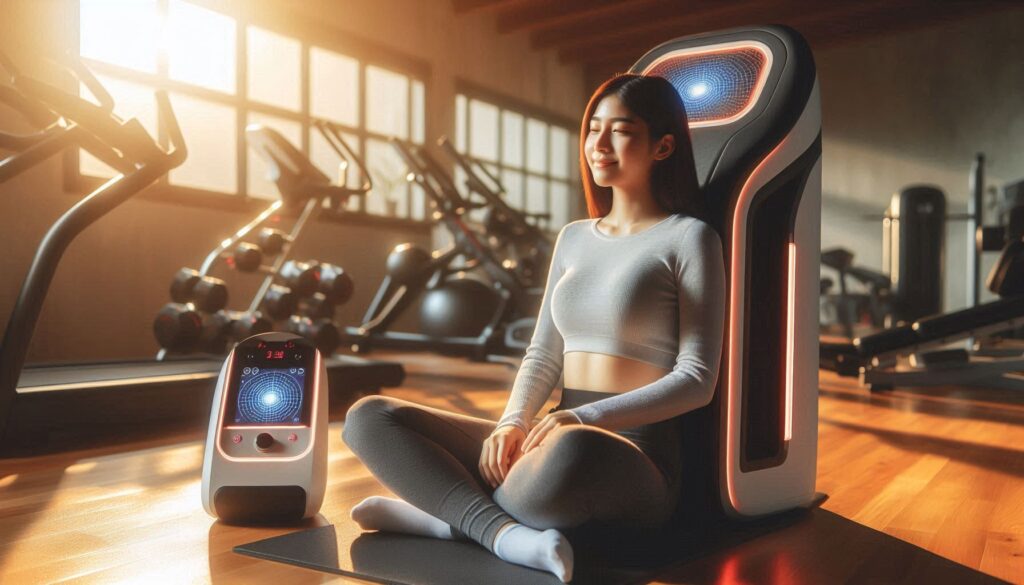
Infrared and heat therapy devices provide deep tissue relaxation and circulatory support, which is essential for accelerated recovery. These devices use surface or infrared heat to penetrate muscles, relax stiffness, and stimulate blood flow, aiding tissue repair and reducing soreness. Heat therapy not only helps relieve tension but also promotes relaxation and recovery for the nervous system, making it ideal for stress relief as well. From heating pads to full-body infrared mats and sauna blankets, these tools allow you to address soreness, stiffness, and chronic tension without strenuous effort. Incorporating them into your recovery routine enhances your body’s natural healing process and complements other recovery methods for maximum benefit.
Benefits
- Reduces stiffness and soreness
- Improves circulation and nutrient delivery
- Supports relaxation and sleep quality
- Complements other recovery tools
Pros
- Deep tissue impact
- Comfortable and soothing
- Suitable for all ages
Cons
- Premium models can be expensive
- Not suitable for acute injuries
Comparison Table
| Product | Main Use | Benefits | Best For |
|---|---|---|---|
| Heating Pad | Localized heat therapy for muscles and joints | Reduces stiffness, eases soreness, promotes blood flow | Shoulders, back, knees, and targeted areas |
| Infrared Mat | Full-body heat therapy using far-infrared energy | Relieves muscle tension, enhances circulation, supports recovery | Full-body relaxation and post-workout recovery |
| Sauna Blanket | Infrared or thermal heat for full-body sweating and relaxation | Detoxification, stress relief, improved circulation, muscle relaxation | Home spa experience, total body recovery and wellness |
FAQ – Recovery & Wellness Equipment
Q: How often should recovery tools be used?
A: Foam rolling and mobility work can be done daily; percussion therapy and heat therapy 3–5x/week depending on intensity.
Q: Can recovery equipment replace rest or sleep?
A: No. Recovery tools support repair but cannot replace proper sleep, nutrition, or rest.
Q: Are recovery tools only for athletes?
A: No. Anyone with stiffness, poor posture, or chronic tension can benefit.
Q: Should tools be used before or after training?
A: Both. Pre-workout: activate muscles. Post-workout: reduce stiffness and support repair.
Bottom Line:
Recovery & Wellness Equipment plays a vital role in supporting muscle recovery, improving flexibility, and enhancing overall well-being. By using tools like percussion devices, foam rollers, stretching aids, inversion equipment, and warming mats, you can reduce soreness, prevent injuries, and maintain long-term mobility. This buying and comparison guide has helped you understand the key features, benefits, and differences of each product category so you can make informed choices. Explore our detailed product reviews to find the best equipment for your needs and take your recovery routine to the next level.
Amazon Affiliate Disclaimer:
As an Amazon Associate, we earn from qualifying purchases. This helps support our website at no extra cost to you.